Wednesday, September 16, 2026
Can you get a car loan with bad credit? Learn how second chance car loans work, the risks of high interest rates, and safer alternatives to consider.


Having poor credit can prevent you from getting a loan. Lenders often see low credit scores as a red flag, making it difficult to secure financing for essential expenses or emergencies. If you have bad credit, second chance credit can help you get approved for a loan.
But second chance credit comes with enormous risks. While they can provide you with easy access to money, these loans have high interest rates and strict repayment terms and can often make your finances worse if not handled carefully.
Second credit are private loans meant to help people who have low credit scores access funds. These loans are available to people who have had their loan application turned down by a bank.
These loans are most used for car loans, but there are lenders that offer them for mortgages or personal loans. We’ll focus on car loans for this blog as that’s the most common use of these loans.
In the case of a car loan, the lender may be the car dealership or a private third-party financial institution.
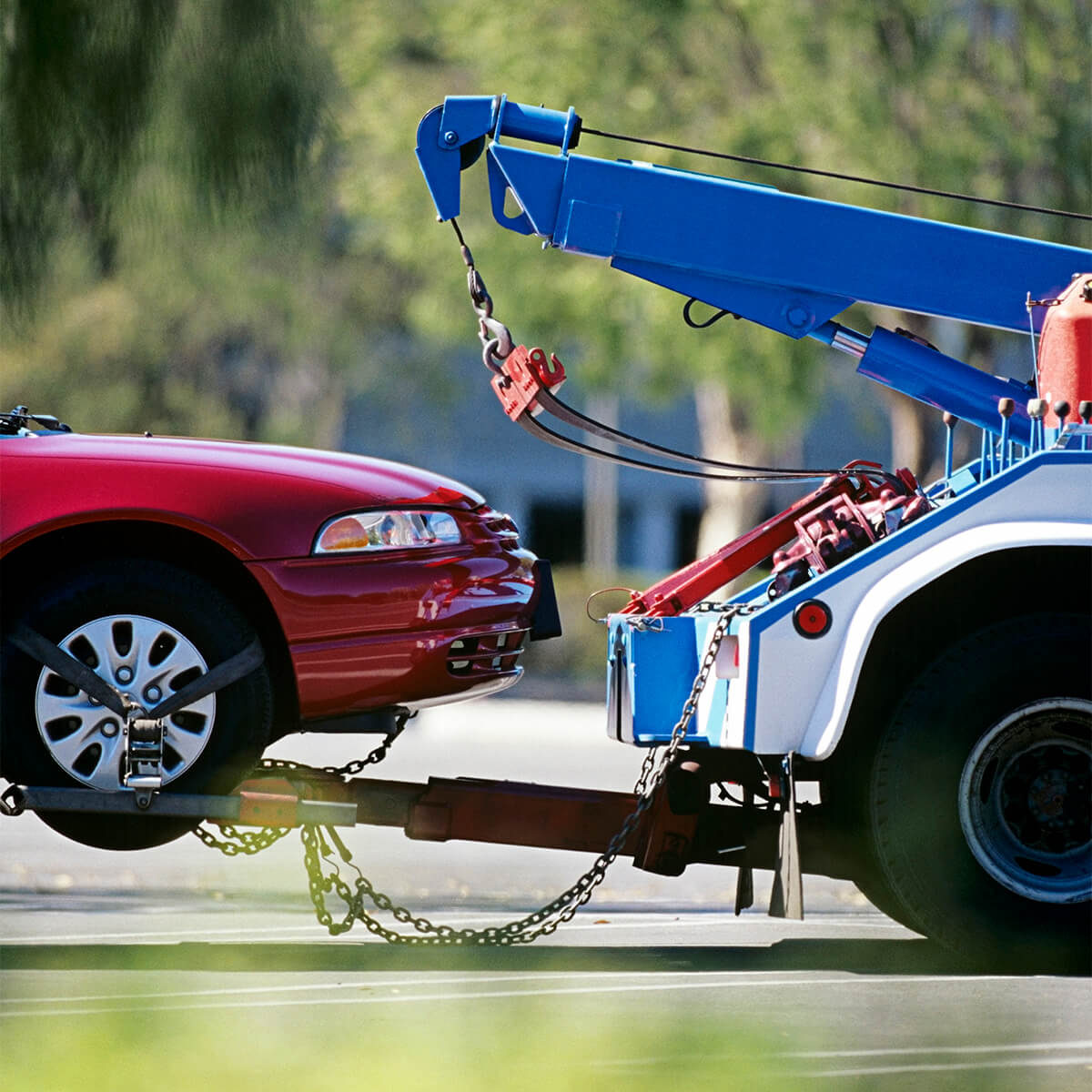
The consequences of not paying a second chance loan are the same as for any other loans, where your property could be repossessed, and your credit score will suffer further damage.
So, what makes these loans so dangerous?
Second chance credit may seem like a helpful tool for those struggling to get a loan, but they come with massive risks. Knowing what these are is crucial to keep in mind before applying for a second chance loan.
These are some of just the common risks of using second chance credit to finance a vehicle, but there are further consequences as well.
If you use second chance credit to help you purchase a vehicle, you may be subject to much stricter requirements than others.
For example, the lender may require you to install a GPS locator or ignition interlock in your car, which makes it easier for them to repossess the vehicle if you fail to make payments.
These devices might feel like an invasion of your privacy, so it's important to consider whether you are willing to accept the requirement of having one of them in order to finance a vehicle.
You should only consider a second chance loan if you have a reliable income and know for a fact that you can afford to make all the payments on time.
If this is the case, a second chance loan can help you rebuild your credit score, and you may not have to rely on it next time.
Be aware that a second chance loan will end up costing you more than a traditional loan will, though.
Second chance credit should be a last resort and avoided whenever possible.
It's better to work on improving your finances before applying for a new loan. Doing so will save you money in the long run.
You should work on improving your credit score before applying for a second chance loan. This way, when you apply for a loan, you can avoid the high interest rate of second chance credit.
Paying bills on time and in full, reducing outstanding debt, and keeping your overall balance low will help you raise your credit score to the point you don't need a second chance loan.
Second chance credit may address an immediate need, but it doesn't solve the root cause of your financial struggles.
Take a closer look at your budget and spending habits. Are there areas where you can cut back? It's better to reduce your spending and debt than add more to it.
If you're struggling to improve your credit score or feeling stuck in a cycle of debt, speaking with one of our Licensed Insolvency Trustees is a good place to start.
Licensed Insolvency Trustees are Canada’s only federally regulated debt professionals and specialize in helping people regain control of their finances.
Our Trustees can work with you to assess your financial situation and identify strategies to reduce your debt.
Licensed Insolvency Trustees are highly trained and licensed by the federal government, ensuring they provide trustworthy and effective solutions.
They don’t just offer short-term fixes—they work with you to create a plan for lasting financial health. The first consultation is completely free of charge.
Wednesday, September 16, 2026
Can you get a car loan with bad credit? Learn how second chance car loans work, the risks of high interest rates, and safer alternatives to consider.